
Tour de France 2025: The Scale, Structure and Significance of Cycling’s Flagship Race
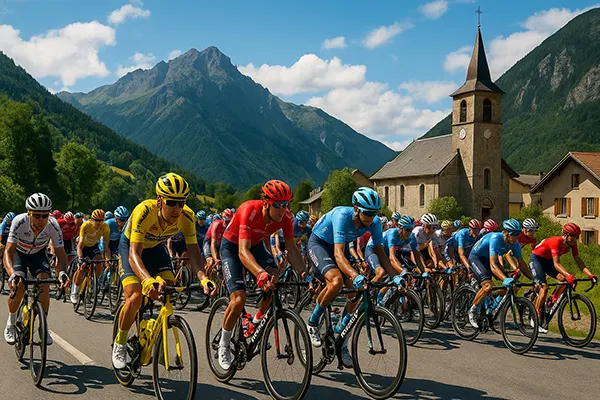
Tour de France 2025 continues the long-standing tradition of being the most influential and closely followed event in professional road cycling. Organised annually in France with selected stages abroad, the race represents not only sporting excellence but also logistical precision, media reach, and historical continuity that few other competitions can match.
The Overall Concept and Route of Tour de France 2025
The 2025 edition of Tour de France follows the established three-week format, consisting of 21 stages and two rest days. The route traditionally combines flat stages, individual and team time trials, and demanding mountain stages across the Alps and the Pyrenees. Each element is carefully balanced to test different rider profiles and maintain competitive tension until the final days.
In 2025, organisers place particular emphasis on regional diversity, ensuring that both northern and southern areas of France are represented. The route is designed to highlight lesser-known regions alongside iconic climbs, supporting local tourism while preserving the race’s sporting integrity.
The Grand Départ for Tour de France 2025 is held outside France, continuing the modern approach of international openings. Such starts have become a strategic decision aimed at expanding the race’s global audience without altering its French identity.
Key Stages and Strategic Sections
Mountain stages remain decisive in Tour de France 2025, with multiple summit finishes that significantly influence the general classification. High-altitude climbs demand sustained power output, efficient pacing, and team coordination, often separating overall contenders from stage specialists.
Time trials play a critical role in shaping the standings. In 2025, organisers include both a flat individual time trial and a shorter, technically complex route that favours riders with strong bike-handling skills rather than pure aerodynamic efficiency alone.
Flat stages, while seemingly predictable, are tactically complex due to crosswinds and sprint positioning. These stages often affect the overall race through time splits caused by echelons, underlining the importance of team awareness and positioning.
Teams, Riders and Competitive Dynamics
Tour de France 2025 features 22 professional teams, each composed of eight riders. The peloton includes WorldTour squads and selected ProTeams, ensuring a mix of established champions and emerging talent. Team selection is based on seasonal performance, organisational stability, and compliance with sporting regulations.
Team strategies differ significantly depending on objectives. Some squads focus on general classification success, building support structures around a single leader, while others prioritise stage wins or sprint classifications. These differing goals contribute to the tactical depth of the race.
Rider preparation for Tour de France 2025 involves months of altitude training, equipment optimisation, and race simulation. Physical condition alone is insufficient; success depends equally on recovery management, nutrition planning, and communication within the team.
Leadership Roles and Support Structures
The role of the team leader is central, yet success depends heavily on domestiques who control pace, protect against wind, and deliver supplies. In mountain stages, climbing domestiques set tempo to limit attacks from rivals.
Sports directors play an influential role by adjusting tactics in real time. Using radio communication and performance data, they respond to changing conditions such as weather shifts, crashes, or unexpected attacks.
Support staff, including mechanics, physiotherapists, and performance analysts, operate behind the scenes. Their work ensures equipment reliability, rider recovery, and strategic insight throughout the three-week event.
Media Coverage, Technology and Global Impact
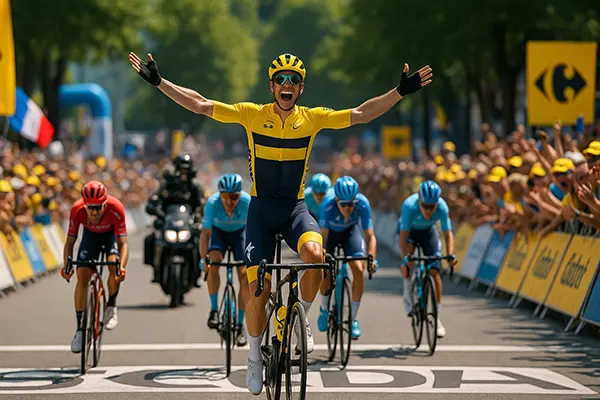
Tour de France 2025 maintains extensive global media coverage, broadcast live across Europe, the Americas, Asia, and Oceania. Daily live transmissions, highlight programmes, and analytical segments ensure accessibility for both dedicated fans and casual viewers.
Digital innovation continues to shape how audiences follow the race. Live GPS tracking, real-time performance metrics, and on-bike cameras provide detailed insights into rider effort and tactical decisions during each stage.
The race also functions as a major economic driver. Host regions benefit from increased visibility, visitor spending, and long-term tourism interest linked to the international exposure provided by the event.
Technological Standards and Regulatory Control
Bicycle technology used in Tour de France 2025 is strictly regulated by the Union Cycliste Internationale. Frame geometry, weight limits, and component specifications are monitored to maintain competitive fairness.
Data analytics have become an essential tool for teams, yet their use is restricted during competition to preserve the human element of racing. Decisions must still be made based on rider perception and tactical judgement.
Anti-doping measures remain a cornerstone of race credibility. Independent testing, biological passports, and transparent reporting are enforced to protect the integrity of results and maintain public trust.