Tour de Pologne 2026: The North–South Route and the Main Storylines of Poland’s Premier Cycling Race
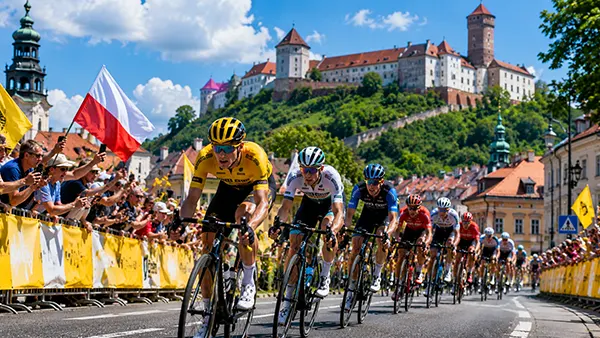
Tour de Pologne remains one of the most important stage races on the UCI WorldTour calendar and continues to attract elite teams from across the world. The 2026 edition is expected to place particular emphasis on a “North–South” route, connecting the Baltic coast with the mountainous regions of southern Poland. Such a design creates a balanced contest between sprinters, all-rounders and climbers while also showcasing the geographical diversity of the country. As anticipation builds ahead of the race, attention is focused not only on the route itself but also on the tactical battles that could shape the general classification.
A Route Designed to Test Every Type of Rider
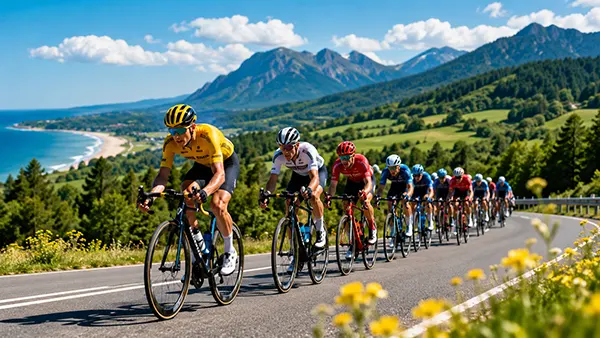
The proposed north-to-south format gives the race a distinctive identity. Riders are expected to begin near the Baltic Sea, where flat terrain traditionally favours sprinters and teams capable of controlling breakaways. These early stages often produce high average speeds and narrow time gaps, keeping the overall standings tightly packed.
As the race progresses southward, the profile is likely to become increasingly demanding. Rolling terrain through central Poland can create opportunities for aggressive attacks and split groups, particularly if crosswinds become a factor. Teams with ambitions for the overall victory will need to remain vigilant from the opening days rather than waiting for the mountains.
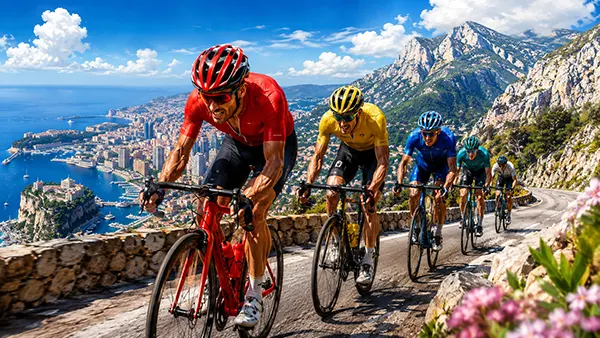
The final part of the race is expected to feature the most challenging climbs. Southern Poland offers steep ascents and technical descents that can significantly influence the general classification. Riders targeting the overall title will need a combination of climbing ability, tactical awareness and strong team support to succeed.
Why the North–South Concept Matters
Unlike routes concentrated in a single region, a north-to-south journey highlights the full range of conditions that professional cyclists face during a stage race. Competitors must adapt to changing terrain, weather patterns and race dynamics within a relatively short period.
For spectators, the format provides a broader view of Poland’s landscapes. From coastal cities and central plains to mountainous areas near the Slovak border, the event serves as both a sporting competition and a showcase of the country’s diverse regions.
Race organisers also benefit from increased national engagement. Communities across multiple provinces gain the opportunity to host stages, creating greater visibility for local tourism and strengthening the race’s position as one of Central Europe’s leading cycling events.
The Main Contenders and Tactical Battles
The 2026 edition is expected to attract many of the strongest WorldTour squads. Teams aiming for the general classification will likely bring riders capable of climbing efficiently while limiting losses during flat and transitional stages. Success in modern stage racing depends on consistency rather than dominance in a single terrain type.
Sprinters are also expected to play a significant role during the opening half of the event. Stage victories, bonus seconds and intermediate sprints can influence the overall standings more than many casual observers realise. A rider who gains time through bonuses may enter the mountain stages with a valuable advantage.
Meanwhile, breakaway specialists could find opportunities on medium-mountain stages. Tour de Pologne has a history of rewarding aggressive racing, and carefully timed attacks often produce memorable victories. Teams without a clear contender for the overall classification may focus on stage wins rather than defending positions in the general standings.
Key Factors That Could Decide the Race
Weather conditions frequently influence racing in Poland. Strong winds near the coast can split the peloton into smaller groups, creating unexpected time differences before the mountains are reached. Such situations often force teams to adjust their strategies on the fly.
Time bonuses remain another important element. Riders capable of consistently finishing near the front can gradually build an advantage without launching major attacks. In a race where overall margins are often measured in seconds, these gains may become decisive.
Team depth is equally important. Even the strongest leader can struggle without support during critical moments. Squads that successfully protect their captains, control breakaways and position riders before major climbs usually enjoy a significant competitive advantage.
What Makes Tour de Pologne Important in 2026
Tour de Pologne continues to hold a valuable place on the international cycling calendar. Taking place during a crucial part of the season, it offers riders an opportunity to test their form against world-class competition while earning important ranking points.
The race also contributes to the development of cycling within Poland. Local fans gain direct access to elite competition, while young Polish riders have the opportunity to compete against some of the sport’s biggest names. This exposure remains essential for the long-term growth of the discipline.
From an international perspective, the event has evolved into more than a national tour. Its WorldTour status ensures global media coverage, attracting attention from cycling audiences throughout Europe, North America, Asia and beyond.
Expectations Ahead of the Final Stages
The concluding mountain stages are likely to determine the overall winner. Climbers capable of maintaining a high pace on long ascents traditionally perform well in southern Poland, where gradients can punish even minor weaknesses.
However, modern cycling rarely follows a predictable script. Mechanical issues, crashes, changing weather and tactical surprises can dramatically alter the outcome of a race within a single stage. Teams must therefore remain flexible throughout the week.
As Tour de Pologne 2026 approaches, the combination of a north-to-south route, varied terrain and strong international participation promises an engaging contest. The battle for the yellow jersey is expected to remain open until the final days, ensuring that both dedicated cycling followers and casual sports fans have plenty of reasons to follow the race closely.